


At Origami.me, our mission is simple: to make origami inspiring, accessible, and supportive for everyone involved.
Join 20,000+ origami fans
Subscribe to our newsletter and get free diagrams, tips, and inspiration delivered to you.
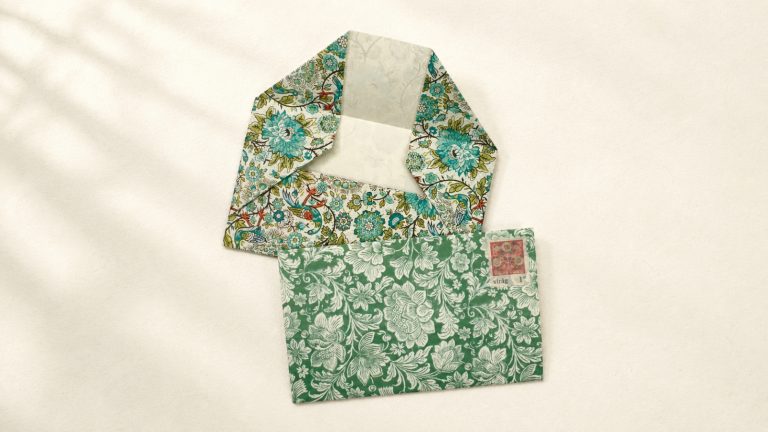
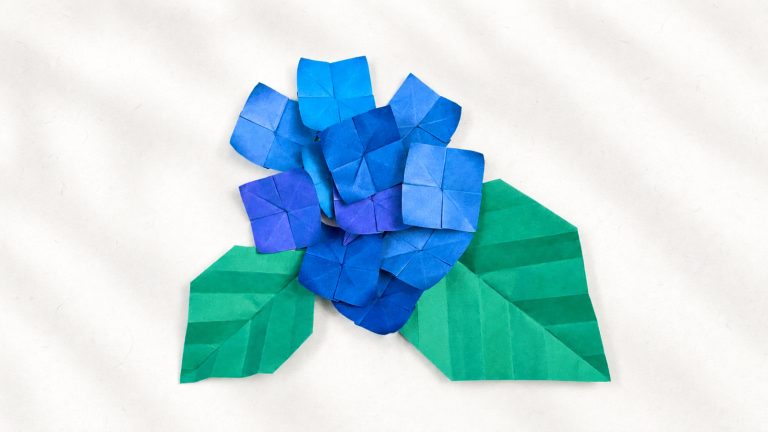
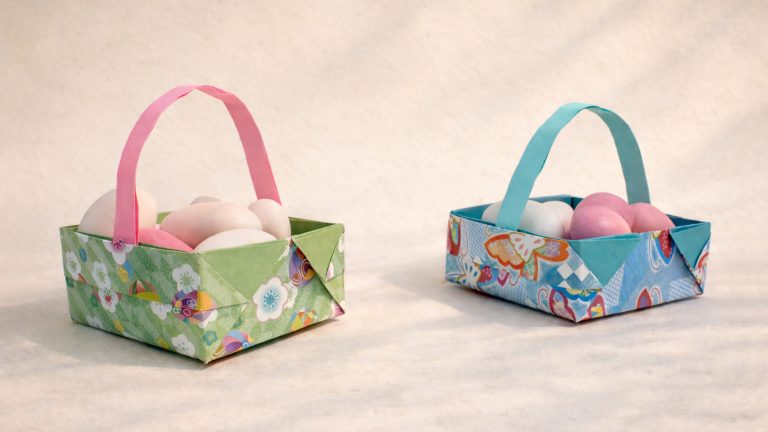
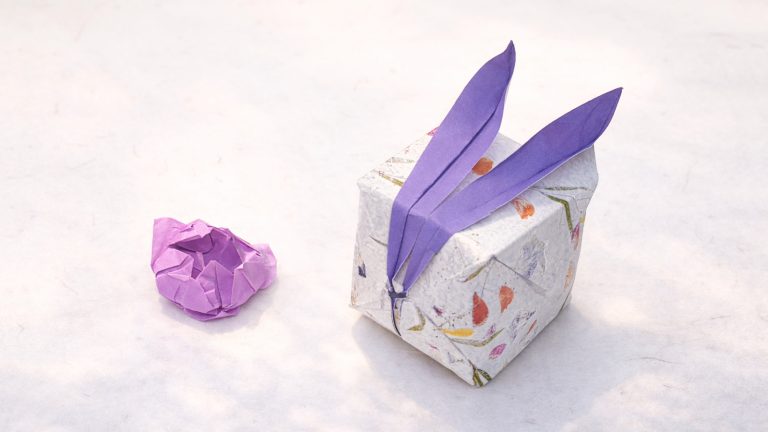
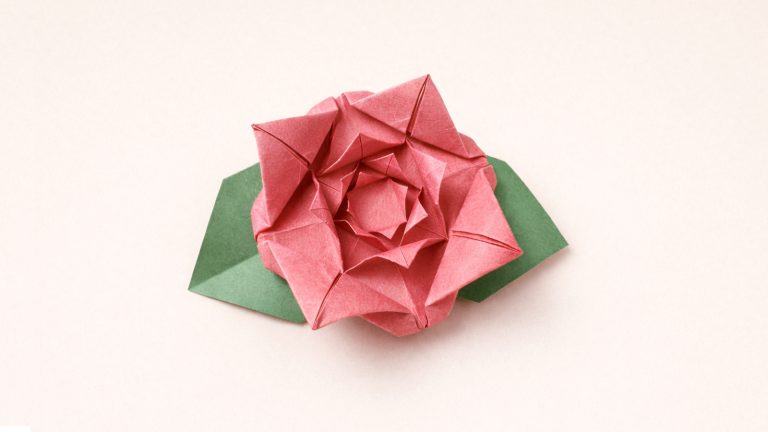
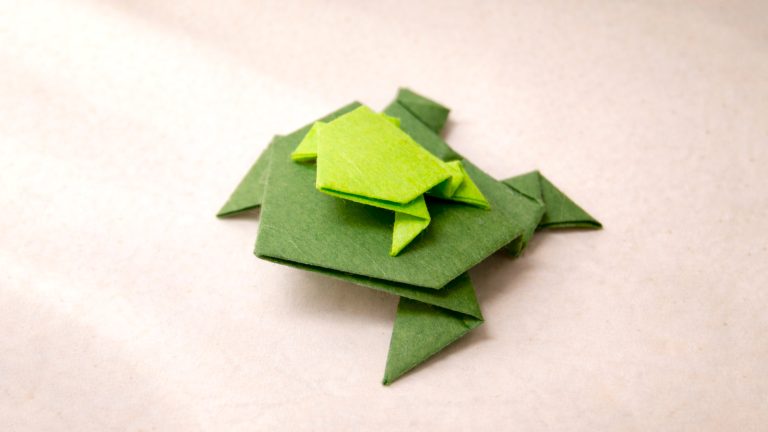
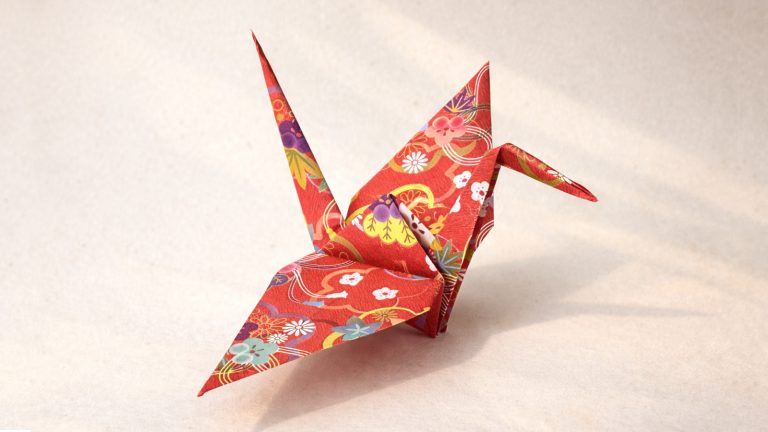
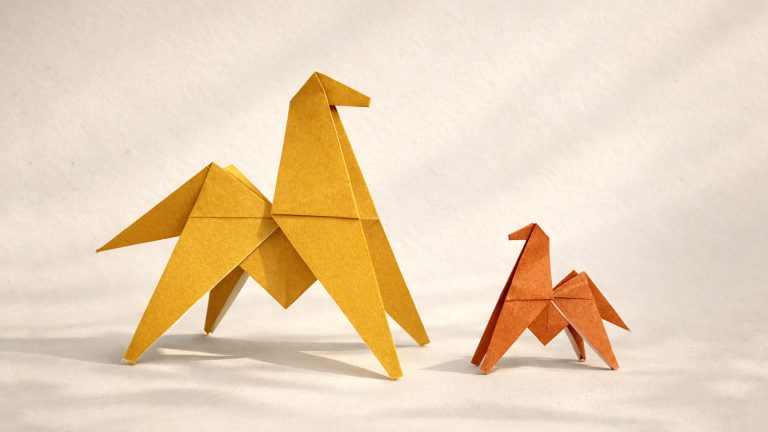
Traditional Origami is not the work of one person, but rather a living heritage built over centuries. These models — simple yet timeless — have no single known designer. Instead, they emerged as paper folding spread through Japanese culture and beyond, becoming the foundation of the origami we know today.
Because traditional models belong to no one, they belong to everyone. They are part of the public domain, free to be folded, taught, and reimagined by anyone. This is why you’ll often see them in books, classrooms, and workshops.
At Origami.me, we do our best to research and correctly identify the designers behind every model we feature. However, the internet is full of conflicting information, and sometimes models are mistakenly categorized as “traditional” when in fact they have a known author. If you come across one of our tutorials that falls into this case, we would be grateful if you reached out and let us know so we can make corrections.
This collection celebrates the roots of origami while honoring the artists who continue its story. Traditional designs remain as relevant as ever — simple, elegant, and endlessly inspiring.































At Origami.me, our mission is simple: to make origami inspiring, accessible, and supportive for everyone involved.
Join 20,000+ origami fans
Subscribe to our newsletter and get free diagrams, tips, and inspiration delivered to you.
From first-time folders to lifelong artists, 200,000 people visit Origami.me each month. Subscribe to our newsletter and get free diagrams, tips, and inspiration delivered to you.